US Casino Whale Betting Limits: The Raw Mechanics of Maximum Stakes
The posted table maximum is nothing but marketing theater until you verify the actual clearing velocity behind it. Most gamblers stare at the placard reading $10,000 on a baccarat table and assume that is the ceiling — they are dead wrong. The real architecture of US casino whale betting limits operates on a two-tier system: the printed limit for the public floor and the discretionary limit reserved for verified high-rollers who clear seven-figure credit lines before a single card is dealt. 🎰
Strip away the velvet rope and you find a machine calibrated to absorb volatility without letting a single sharp bettor crack the house's quarterly hold percentage. The highest maximum stakes allowed in a US property are not fixed numbers — they are dynamic thresholds that shift based on your deposit history, your credit worthiness, and the pit boss's read on your play pattern. A whale who wires $2 million into a Nevada casino can negotiate a $500,000 per-hand limit on blackjack, but that same whale walking into the same pit cold will get capped at $5,000. The limit follows the money trail, not the ego.
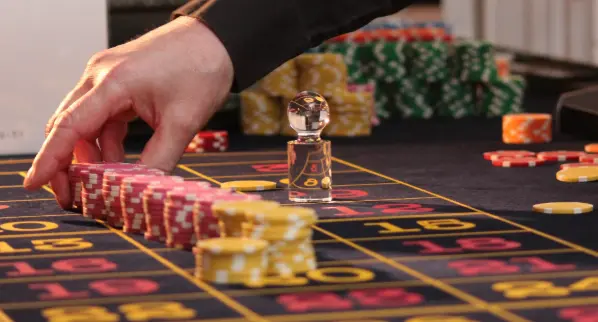
How the Highest Maximum Stakes Are Actually Structured
Las Vegas and Atlantic City properties publish floor maximums in the $10,000 to $50,000 range for table games, but the real action happens in private salons where the numbers are never printed. I have seen baccarat tables in Macau-facing junket rooms licensed under US tribal compacts carry per-hand caps north of $300,000 — but only after the player posts a front-money deposit that covers 40 times the maximum bet. That ratio is the unspoken rule: your cleared bankroll must exceed the table max by a factor that lets the house survive a brutal shoe without tapping its own reserves. 💰
Slot machines are a different beast entirely. The highest maximum stakes allowed on a US slot floor rarely exceed $500 per spin outside of high-limit rooms, but those rooms exist precisely because whales demand them. A $1,000-per-spin machine in a Bellagio high-limit salon is not there for the ambiance — it is there to capture a specific whale segment that refuses to sit at anything under four figures per pull. The house edge on those machines is often tightened to compensate for the reduced volume, which means the whale is paying a premium for the privilege of the higher limit. Nobody talks about that part.
The Credit Line Gatekeeper and Its Discontents
Here is the part the brochures bury: US casino whale betting limits are gated by a credit committee, not a pit boss with a clipboard. Before a player ever sees a $100,000 table maximum, the casino's finance department runs a background check that would make a private bank blush — asset verification, gaming history cross-references, and a hard look at whether you have ever stiffed a competitor on a marker. Fail that check and your maximum stake drops to whatever cash you can pull from your pocket. Pass it and the ceiling vanishes into a negotiated number that exists only in a back-office ledger. 🃏
The sharpest operators understand that the highest maximum stakes allowed are not a prize to be won but a liability to be managed. A casino that offers a $250,000 baccarat limit without the bankroll depth to absorb a 12-hand losing streak is begging for a liquidity crisis. That is why the real whales — the ones moving eight figures through a property — never see a fixed maximum at all. They see a discretionary line that adjusts in real time based on the shoe, the dealer, and the casino's exposure. The number on the placard is for tourists. The number in the ledger is for the whales, and it changes every time the pit calls upstairs.

Why the Max Bet Is a Moving Target
Any operator who quotes you a static maximum stake is either lying or running a second-rate shop. The genuine architecture of high-limit play in US properties ties the ceiling to three variables: the player's verified front money, the casino's current hold on that player's action, and the volatility profile of the game in question. A $50,000 blackjack limit might get bumped to $150,000 for a player the house has pegged as a net loser over a 30-day window, while a sharp card counter with the same bankroll gets capped at $2,000 — or shown the door entirely. The limit is a risk-management tool, not a courtesy. 🎲
Whales who understand this negotiate their limits in the same breath as their comps and their credit terms. The smart ones never accept the first number offered. They push for a per-hand cap that lets them ride a hot shoe without tripping the casino's exposure alarms, and they walk away from any property that refuses to put the number in writing. The highest maximum stakes allowed in a US casino are always negotiable — but only for the players who know that the placard is fiction and the ledger is the only document that matters.