Classic Slot Reel Blur Mapping: The Hidden Mechanics of Old School Slot Machine Rooms
Reel blur mapping is the single most abused illusion in old school slot machine rooms, and if you do not understand the frame-level timing behind it, you are donating money to a mechanical ghost. The moment those physical reels spin up, your eye stops tracking individual symbols and starts interpolating motion — that perceptual gap is exactly where classic slot machines hide their real math. I have torn apart enough stepper cabinets to tell you the truth: what looks like a blur is a precisely engineered stroboscopic effect, and the house banks on you misreading it every single pull. 🎰
The Physics Behind Classic Slot Reel Blur Mapping
Old mechanical reels do not actually blur. They rotate at a fixed velocity, and the human retina simply cannot resolve symbol boundaries past roughly 18 to 22 frames per second of effective exposure. The reel strip blurs because your persistence of vision smears the symbols together — but the machine's optical sensor and payout logic never lose track for a microsecond. This is the core of Classic Slot Reel Blur Mapping: the deliberate calibration of spin speed, symbol spacing, and lighting flicker so that the blur zone feels random while the stop positions remain deterministic. The house does not need to cheat when physics already does the work. ⚙️
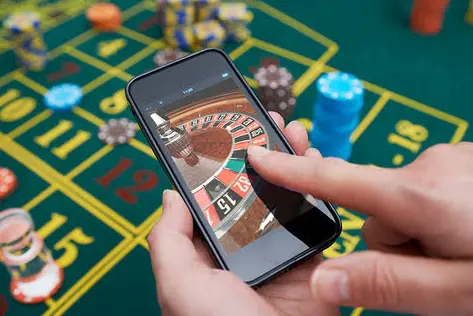
Walk into any genuine old school slot machine room and you will notice the overhead lighting is never uniform. That is not sloppy maintenance — it is blur engineering. Strobe frequency from fluorescent ballasts interacts with reel RPM to create a visual aliasing effect, making fast reels appear to slow down or even reverse. Players call it a "near miss" feeling. Engineers call it temporal aliasing, and it is weaponized against your pattern recognition. The tighter the blur mapping, the more convincing the illusion of a "hot reel" that is about to pay.
Why Old School Slot Machine Rooms Depend on Blur Calibration
Mechanical cabinets cannot rely on RNG software to hide their edge, so they lean on hardware-level deception. The reel strip layout — symbol order, blank gaps, and duplicate placements — is mapped directly against the blur envelope. A classic three-reel machine might place the jackpot symbol adjacent to a blank on the physical strip so that during high-speed blur the two visually merge, creating a phantom "almost jackpot" that never existed in the actual stop table. That is Old School Slot Machine Rooms logic at its coldest: sell the thrill, deliver the arithmetic. 🔍

The blur mapping also dictates brake timing. Stepper motors decelerate on a programmed curve, and the final visible blur frames are chosen so the reel appears to "settle" dramatically onto a symbol — often one position away from the real payout line. This deceleration choreography is why old-timers swear the machine "teased" them. It did. The tease is a mapped output, not a coincidence, and it is tuned to keep you feeding coins into a system where the blur was never random at all.
Reading the Blur Map Like an Auditor
Here is the technical reality most players never grasp: every classic reel has a measurable blur signature. Count the visible symbol transitions per second on a high-speed camera and you can back-calculate the actual RPM, then compare it to the strip length to find the true symbol frequency. Do that and the "randomness" collapses into a repeatable optical profile. Old school slot machine rooms hate players who do this because blur mapping only works while the observer stays passive. The instant you treat the blur as data instead of drama, the entire perceptual trap inverts. 💡
The mechanism is simple and brutal — spin velocity multiplied by symbol spacing defines the blur band, the blur band defines what your brain can and cannot resolve, and the payout table is engineered to live in the unresolvable zone. That is the whole con. The reels were never hiding the outcome from the machine; they were hiding it from you.